


The Crime of Aggression: the “supreme crime” of leaders and a gap in justice
- Admin of the NAM

- Dec 2, 2025
- 2 min read

The Nuremberg Tribunal called aggression “the supreme international crime” because it “contains the accumulated evil of the whole.”
What is the crime of aggression?
If war crimes are atrocities during war, aggression is the act of starting that war. It is a leadership crime, committed only by top political and military leaders.
The definition is provided in UN General Assembly Resolution 3314 (1974). Aggression is not only direct invasion but also:
“The action of a State which allows its territory… to be used by another State for committing an act of aggression.”(Article 3(f), Resolution 3314)
Belarusian context:
This precisely describes the actions of the Lukashenko regime on 24 February 2022. The crime is codified in Article 8 bis of the Rome Statute.
Official Minsk’s position:
The regime denies aggression, using rhetoric of “preventive defence” and “allied duty”:
“Preventive strike”: Lukashenko has claimed that if Russia hadn’t launched its “operation,” Ukraine would have attacked Belarus.
“Defending the Union State”: Participation is justified as protection against NATO.
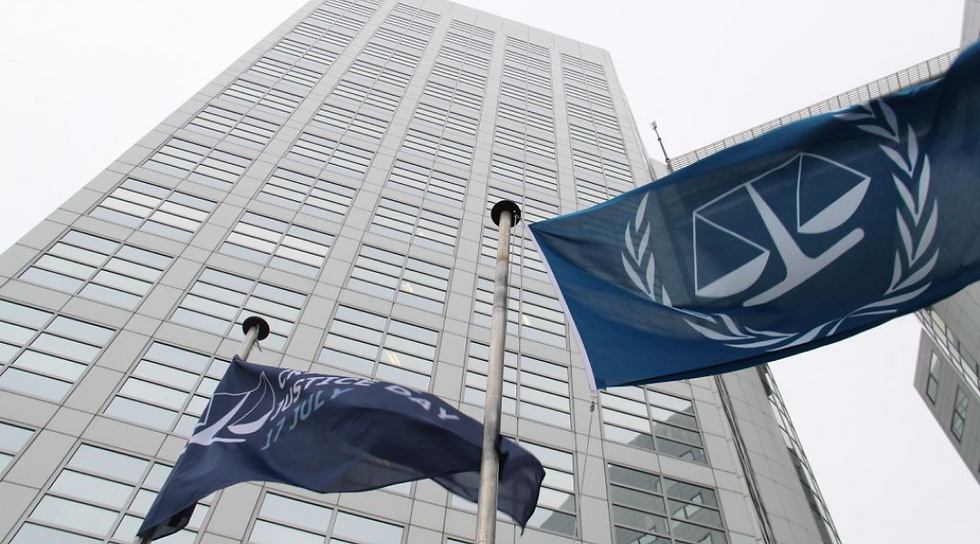
Justice challenge: the ICC’s “jurisdiction gap”
The main legal obstacle: the International Criminal Court’s jurisdiction over aggression is limited.
Under Article 15 bis of the Rome Statute, the ICC cannot investigate aggression if the aggressor state (Russia or Belarus) has not ratified the Statute and the Kampala Amendments. Ukraine’s acceptance of ICC jurisdiction does not solve this.
Result:
The ICC can prosecute Lukashenko for war crimes (such as the deportation of children),but not for launching the war itself.
Solution: the Special Tribunal for the Crime of Aggression (STCoA)
To close this gap, Ukraine and its allies (the “Core Group”, 40+ countries) are creating a special tribunal ad hoc.
Historical precedent (successful):
The Nuremberg Tribunal (1945). Created by the Allies to try Nazi leadership, introducing the concept of “crimes against peace” (the earlier term for aggression) and convicting Göring, Ribbentrop, and others.
Critical perspectives (opposition):
Russia & China: condemn the tribunal as “illegitimate” and “politically motivated,” claiming it violates sovereign immunity.
Global South skepticism: countries like South Africa and Brazil question:“Where was the tribunal for the 2003 Iraq invasion?”
Despite criticism, PACE and the European Parliament strongly support creating the tribunal with jurisdiction over Russia’s and Belarus’s top leadership.
Conclusion
The Lukashenko regime faces responsibility on two separate tracks:
For war crimes (deportation of children) — to be prosecuted by the ICC.
For the crime of aggression (starting the war) — to be prosecuted by a Special Tribunal now being established on the Nuremberg model.


Comments