


Belarus’s Complicity in the Aggression Against Ukraine: War Crimes and Deportation of Ukrainian Children


Since 24 February 2022, the Belarusian regime has become a co-perpetrator of the aggression against Ukraine. This opened the most dangerous legal front for Minsk. It is crucial to distinguish between the crime of aggression (the act of starting a war) and war crimes (specific atrocities). This article focuses on the latter.
Qualification of the actions of Belarus’s political and military leadership
Under international law (Article 25(3)(c) of the Rome Statute), aiding and abetting means assisting in the commission of a crime with knowledge of the perpetrator’s intent.
1. Providing territory for attacks
The Russian invasion of the Kyiv region — where atrocities in Bucha and Irpin occurred — was launched from Belarusian territory. Providing logistics, airfields and hospitals to the invading forces constitutes direct complicity in the war crimes committed by that grouping.
2. Missile strikes from Belarus
Missile launches from Belarus (documented, for example, by Belaruski Hajun) at civilian objects in Ukraine constitute war crimes (intentional attacks on civilians, Article 8(2)(b) of the Rome Statute). Belarusian military personnel supporting these launches are accomplices.
3. Deportation of Ukrainian children
This is the clearest and most provable charge. Under the guise of “rehabilitation,” thousands of Ukrainian children, including orphans, were transported to Belarusian sanatoriums (e.g., Dubrava).
Legal qualification:Unlawful deportation and transfer of civilians — a grave war crime under Article 8(2)(a)(vii) of the Rome Statute and a violation of Article 49 of the Fourth Geneva Convention. This is exactly the crime for which the ICC issued arrest warrants against Vladimir Putin and Maria Lvova-Belova.
Official Minsk’s position
The regime relies on rhetoric of “humanitarian mission” and “allied duty”:
“We are not a party to the conflict” — Belarus “covers Russia’s rear” but does not fight.
“Children on rehabilitation” — Lukashenko claims Belarus “brotherly receives” children from Donbas.
“It’s a humanitarian mission” — propagandist Aleksei Talai insists the transfers are purely humanitarian.
However, Yale Humanitarian Research Lab has shown that children are subjected to ideological indoctrination, Russification, and militarized training, all prohibited by international humanitarian law.
Accountability mechanisms: ICC and historical precedent
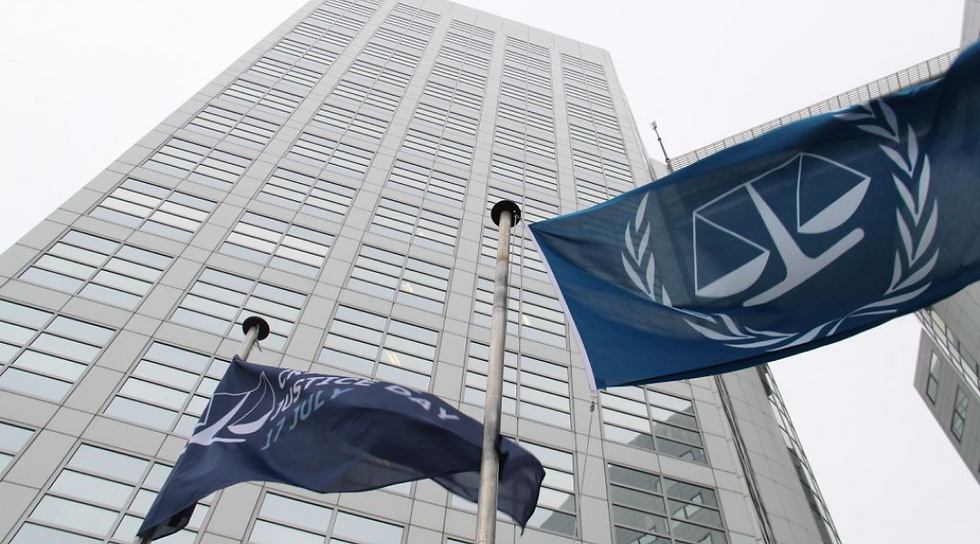
This situation is entirely different from Belarus’s internal repressions. Ukraine has accepted ICC jurisdiction (Article 12(3)).
This means:
The ICC has full authority to investigate all war crimes committed on Ukrainian territory, regardless of the perpetrators’ nationality.
Historical precedent: Charles Taylor (Liberia)
Taylor, the president of Liberia, was tried by the Special Court for Sierra Leone and convicted not for crimes in Liberia, but for aiding and abetting atrocities committed in a neighbouring state.This is a direct analogy for Lukashenko: he bears responsibility for war crimes in Ukraine by providing territory, logistics and infrastructure (in exchange for Russian political and economic support).
Conclusion
Belarus’s complicity in the war is the regime’s most vulnerable legal point.
For war crimes (including child deportations) — ICC jurisdiction is direct and unquestionable.
The deportation case is the fastest path to international arrest warrants for Belarus’s top leadership.


Comments